
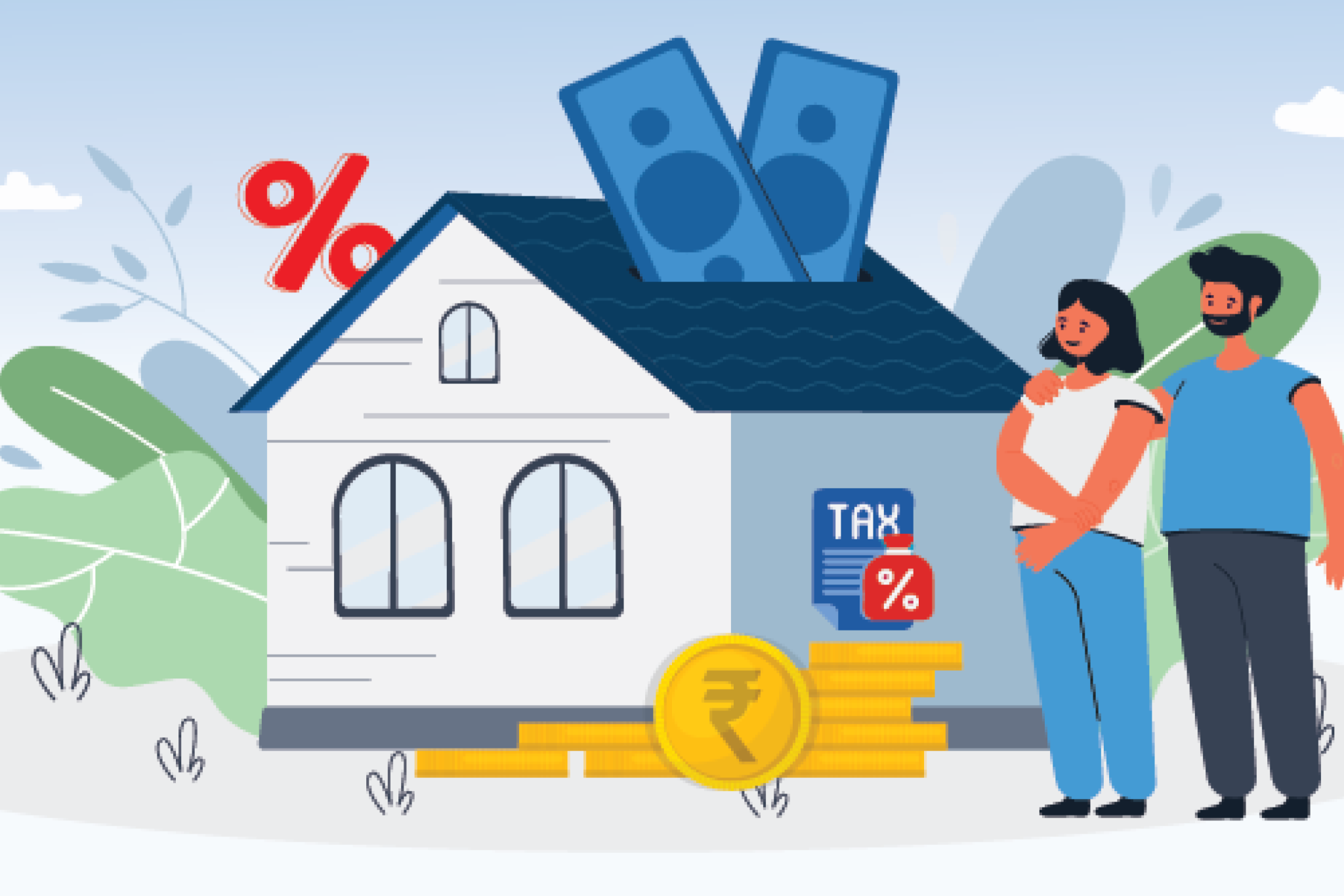
For many homeowners, the property they live in is also one of their largest financial assets. As you make mortgage payments and your property value changes over time, you may build home equity.
That equity can sometimes be used as a source of financing, but accessing it means taking on new debt secured by your home. Understanding how it works is the first step toward deciding whether it fits your situation.
What Is Home Equity?
Home equity is the difference between the current market value of your property and the amount you still owe on loans secured against it.
Home Equity = Current Property Value − Outstanding Mortgage and Secured Debt
For example, if a home is worth $700,000 and the remaining mortgage balance is $450,000, the homeowner has approximately $250,000 in gross equity.
That does not mean the entire $250,000 is automatically available to borrow. Lender rules, property valuation, income, credit profile, existing debts, and affordability all affect how much financing may be available.
How Does Home Equity Build?
Home equity can increase in several ways:
Mortgage Principal Payments
Each mortgage payment that reduces the principal balance can gradually increase your ownership share in the property.
Property Appreciation
If the market value of your home rises, your equity may increase even if your mortgage balance has not changed significantly.
Renovations and Improvements
Certain improvements may add value to a property, although the increase in value is not guaranteed to equal what you spent.
Equity Can Also Fall
Home equity isn’t guaranteed to increase. Property values may decline, and taking on additional borrowing against the home reduces the amount of unencumbered equity you hold.
Common Ways Homeowners May Access Equity
The right structure depends on how much money you need, how quickly you need it, how you plan to use it, and what repayment method suits your budget.
1. Home Equity Loan
A home equity loan generally provides a lump sum that is repaid over a set period.
This may suit a homeowner who knows the amount required upfront, such as for a renovation project or another defined expense.
2. Home Equity Line of Credit (HELOC)
A HELOC is a revolving line of credit secured by the property.
Instead of receiving all the funds at once, you can usually draw from the available limit as needed. This flexibility may be useful when expenses happen in stages.
3. Mortgage Refinance
Refinancing replaces or restructures the existing mortgage, potentially allowing a homeowner to access some of the available equity.
Because refinancing can change the interest rate, payment, amortization, and overall borrowing cost, the full impact should be reviewed before proceeding.
4. Other Equity-Based Solutions
Depending on the homeowner, property, age, income, and lending market, other secured borrowing solutions may be available.
Each comes with its own costs, qualification requirements, and risks.
Why Do Homeowners Use Home Equity?
Home equity is often considered when a homeowner has a clear financial purpose.
Common examples include:
- Home renovations or repairs
- Consolidating higher-interest debts
- Education or major family expenses
- Business or investment purposes
- Creating financial flexibility for planned expenses
The purpose matters. Borrowing against a home for a necessary renovation is very different from using equity to support ongoing spending without a repayment plan.
The question isn’t only “Can I access the equity?”
It’s also:
“Does using it improve my overall financial position?”
The Costs and Risks to Consider
Equity is part of your ownership in the property, but borrowing against it is not free money.
Depending on the product and lender, costs may include:
- Interest
- Appraisal fees
- Legal fees
- Discharge or registration charges
- Lender fees
- Possible penalties for changing an existing mortgage early
There is also a larger risk: the debt is secured by your home.
If payments become unaffordable, the consequences can be more serious than with unsecured borrowing.
Before accessing equity, it’s important to consider your monthly cash flow, income stability, other debts, emergency savings, and future plans.
A useful rule of thumb: do not focus only on how much you can borrow. Focus on how comfortably you can repay it and what the borrowing is expected to achieve.
Home Equity Loan vs. HELOC: What’s the Difference?
| Feature | Home Equity Loan | HELOC |
|---|---|---|
| How funds are received | Usually one lump sum | Access funds as needed, up to the approved limit |
| Best suited to | A defined expense with a known amount | Ongoing or staged expenses |
| Repayment style | Structured repayment schedule | Payments vary based on amount used and product terms |
| Key consideration | Borrowing the full amount from the start | Easy access can make disciplined borrowing important |
Questions to Ask Before Borrowing Against Your Home
Before accessing your home equity, consider the following questions:
- What is the exact purpose of the funds?
- How much do I actually need to borrow?
- What will the new monthly payment or minimum payment look like?
- What is the total cost of borrowing, including fees and interest?
- Could this affect my future mortgage renewal, refinance, or home sale?
- Do I have enough emergency savings after taking on this obligation?
- Is there a more suitable or less expensive way to fund the same goal?
When Can Using Home Equity Make Sense?
Using home equity may make sense when the borrowing has a clear purpose, the repayment is comfortably affordable, and the overall strategy supports your longer-term financial goals.
It may be less suitable when it is being used to cover recurring budget shortfalls, when income is unstable, or when the new debt would leave very little room for unexpected expenses.
Every homeowner’s situation is different. Property value, mortgage balance, income, credit, existing debts, and future plans all influence which options may be available and whether accessing equity is appropriate.
Frequently Asked Questions About Home Equity
Can I Borrow All of My Home Equity?
Usually not.
Lenders commonly require homeowners to retain a portion of equity in the property. The amount you may access depends on the lender, product, property value, existing secured debt, and your ability to qualify.
Do I Need a Property Appraisal?
An appraisal or another form of property valuation may be required so the lender can determine the current market value of the home and calculate the available equity.
Will Accessing Equity Change My Monthly Payment?
It can.
A new loan, line of credit, or refinance may create an additional payment or change the existing mortgage payment. The effect depends on the structure, amount borrowed, rate, and repayment terms.
Can Home Equity Be Used to Consolidate Debt?
It may be possible to use secured borrowing to pay off higher-interest debts.
However, this can turn unsecured debt into debt secured by your home, so the total cost, repayment period, and spending habits should be considered carefully.
The Bottom Line
Home equity can be a useful financial resource, but it should be approached with the same care as any major borrowing decision.
Start by understanding:
- How much equity you have
- Why you want to access it
- What it will cost
- How the repayment fits into your budget
A well-structured plan can help you use your home equity with greater clarity and confidence.
Considering your home equity options? Speak with a qualified mortgage professional to review your property, current mortgage, borrowing needs, and available solutions before making a decision.
Disclaimer
This article is for general educational purposes only and does not constitute financial, legal, tax, or mortgage advice. Lending products, qualification requirements, rates, and costs vary by lender and jurisdiction.